Description
Key Features
Built for Wind Loads
This gusset angle is engineered to secure a gable end truss or other framing member to masonry where uplift and lateral loads matter. That gives cold-formed steel framing a stronger connection in high-wind and seismic conditions.
Complete Installation Kit
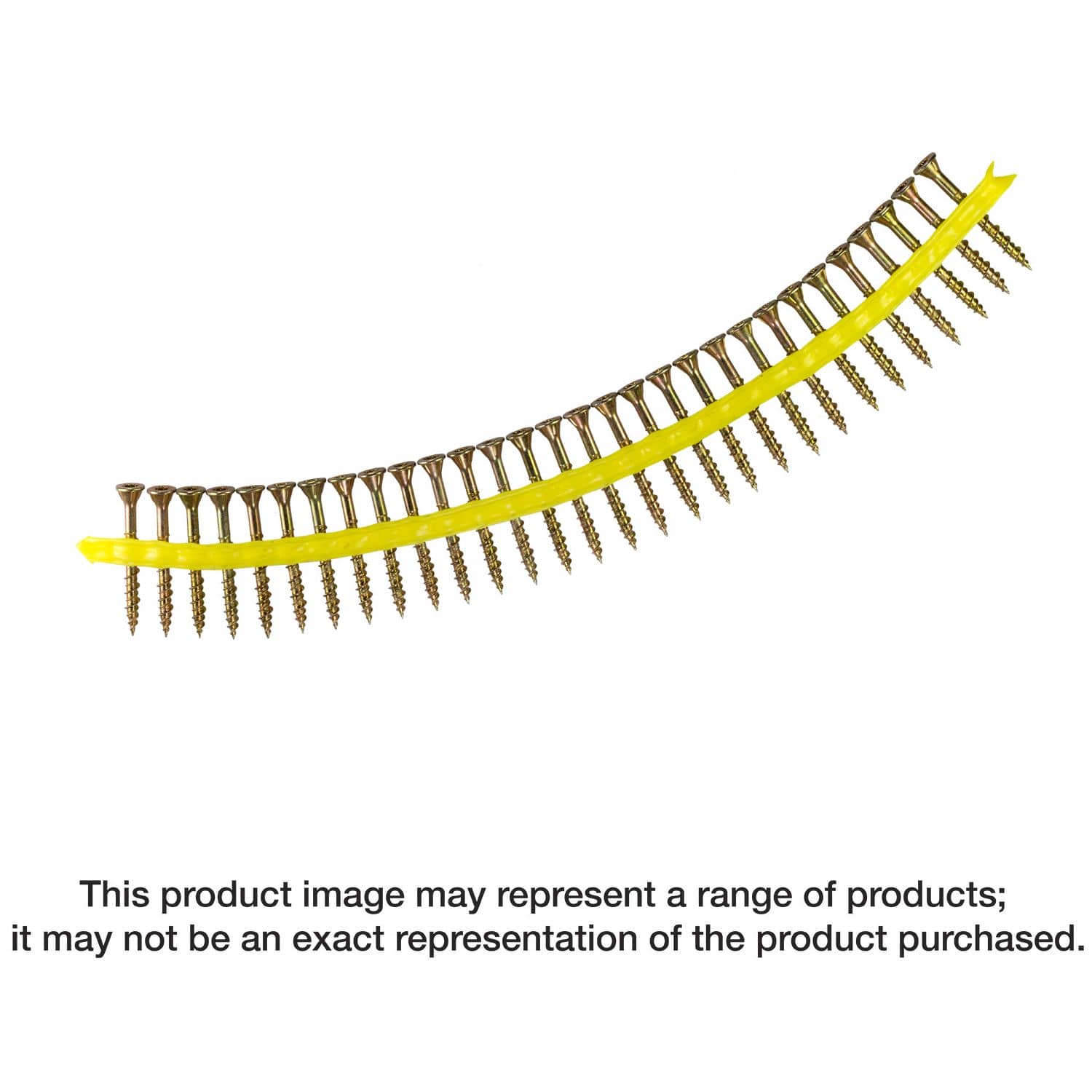
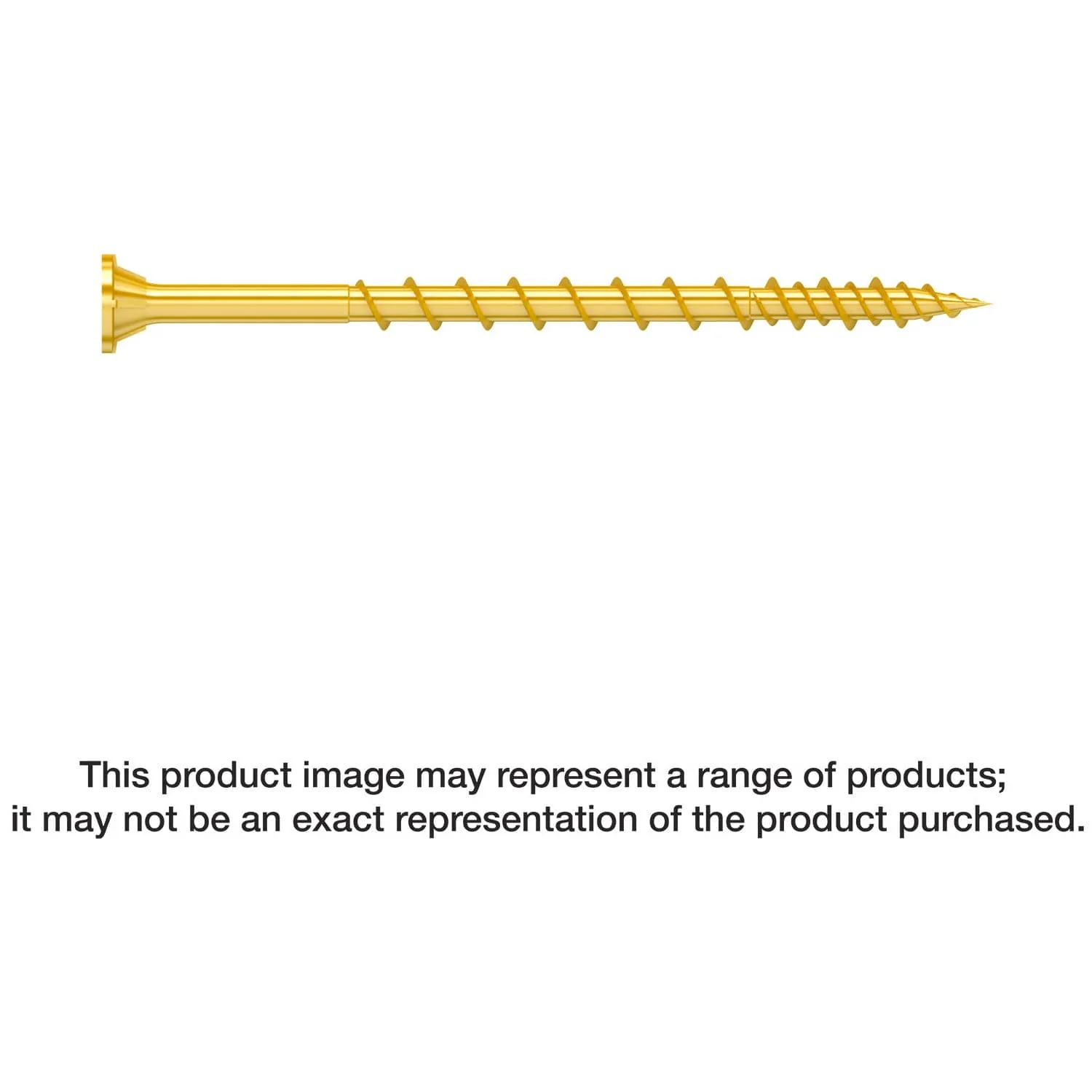
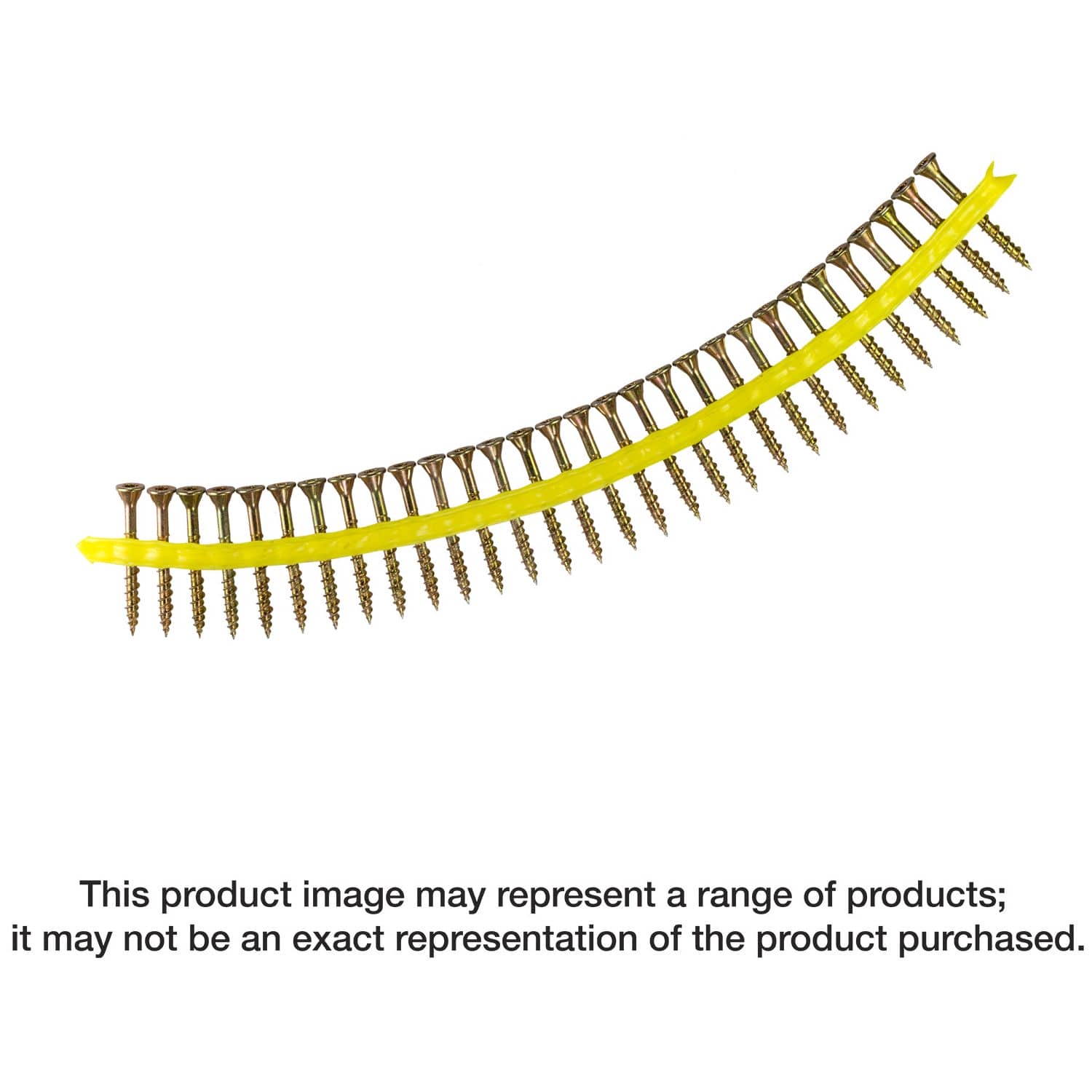
The kit includes ten S/HGAM10 connectors and forty 1/4 inch x 2-3/4 inch Titen Turbo screws. You get the masonry fasteners called out for the connector, which saves time sourcing pieces separately.
14 Gauge Steel Body
The Simpson Strong-Tie S/HGAM10KT Hurricane Gusset Angle for Masonry with Screws uses 68 mil, 14 gauge steel with a G90 galvanized finish. That combination gives the connector the stiffness and corrosion resistance expected for exposed structural connector work.
Overview
The Simpson Strong-Tie S/HGAM10KT Hurricane Gusset Angle for Masonry with Screws is a masonry connector kit for tying the bottom chord of a gable end truss or another framing member to concrete or concrete masonry. This is a hurricane gusset angle designed for high-wind construction and seismic load resistance. Model Number: S/HGAM10KT. If you are working on cold-formed steel framing and need a direct connection back to masonry, this is the part meant for that job.
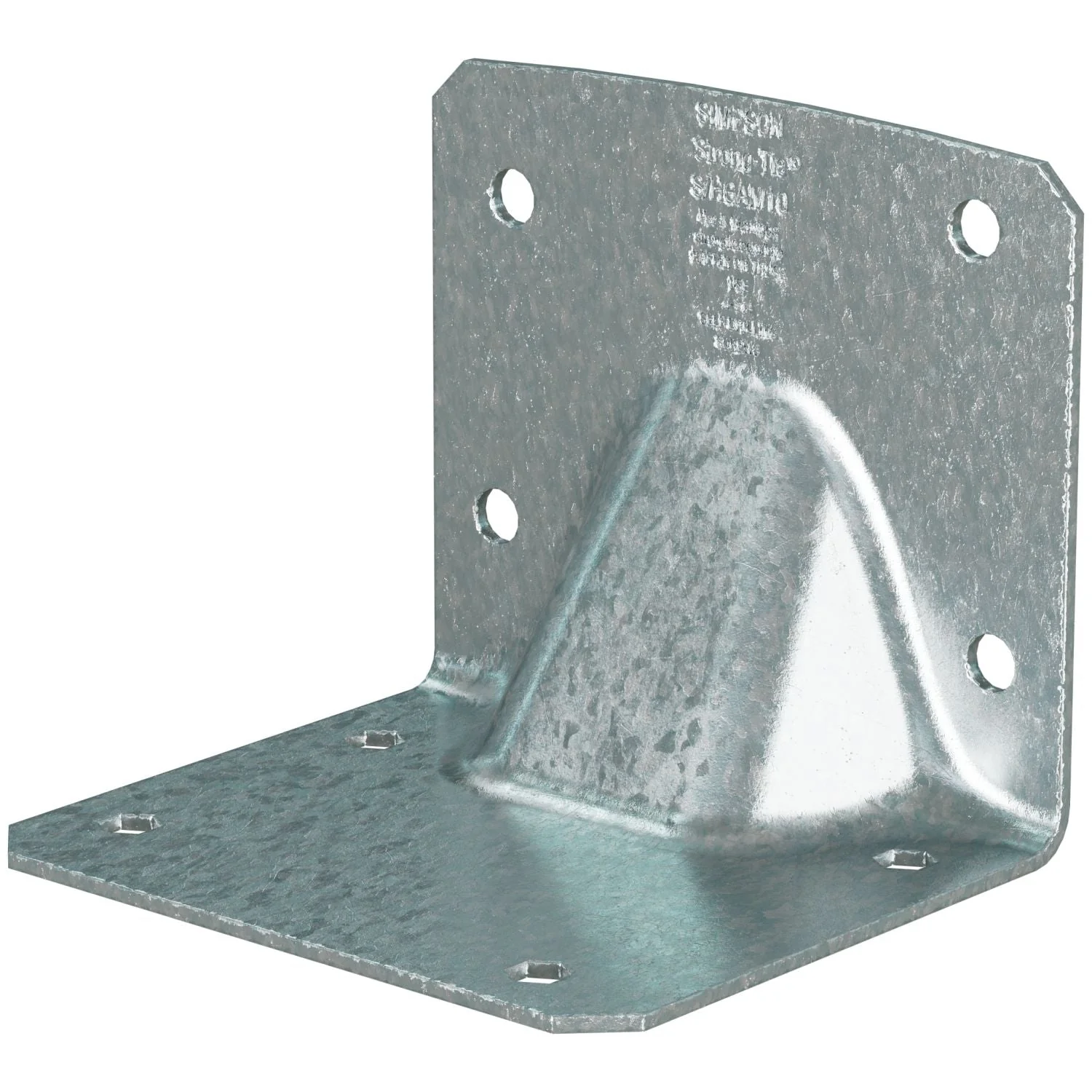
What makes this connector different from a basic angle is the engineered gusset built into the bend. That formed gusset is there to increase strength for uplift and lateral loading, which is exactly what matters when wind tries to lift a roof edge or rack the connection sideways. Simpson lists the S/HGAM for increased loads in high-wind or seismic events, so this is not just a generic bracket being asked to do structural work.
The kit format matters too. Instead of buying connectors and masonry screws separately, the S/HGAM10KT comes packaged with ten S/HGAM10 connectors and forty 1/4 inch x 2-3/4 inch Titen Turbo screws. For a crew, that means less guesswork at install time and fewer chances of mixing in the wrong anchor. Simpson is clear that the correct fasteners in the correct positions must be used to achieve published load values, so having the specified masonry screws in the kit is a real advantage.
Material and finish are straightforward and jobsite appropriate. The connector is made from 68 mil, 14 gauge steel and finished with G90 zinc galvanizing. In practical terms, that gives you a formed steel connector with the thickness expected for this kind of structural tie and a galvanized coating suited to general building use where corrosion protection matters. This is the kind of hardware used because it is designed around a tested connection, not because it merely fits the space.
Installation is aimed at masonry conditions. Simpson calls for attachment to CMU or concrete using hex-head Titen Turbo screws, and for grout-filled CMU with a minimum of one number 5 horizontal rebar in the top lintel block. That detail matters because the connector is only part of the system. The masonry condition, the specified fasteners, and the backing structure all work together to deliver the published performance. Simpson also notes that hurricane ties do not replace solid blocking, which is worth remembering when you are laying out the full assembly.
Published allowable uplift loads in the provided data are 810 and 850, depending on the attachment condition shown in the source table. The point is simple: this connector is intended for real structural load paths, not light-duty attachment. If your application is tying cold-formed steel roof framing back to masonry in a wind-prone area, the numbers and installation requirements are what make this product relevant.
As for fit and layout, the connector dimensions shown are 3-1/2 inches wide, 3 inches high, and 3 inches deep. That compact footprint helps when working near the top of a masonry wall under a truss or track, where space is limited and placement needs to stay consistent. The image also shows the hole pattern and gusseted shape clearly, which gives installers a better idea of how the connector bears and fastens in place.
This product makes the most sense for contractors and builders working in cold-formed steel construction, especially in hurricane-prone or seismic regions. It is also a good fit for projects that need a packaged, spec-driven connector solution instead of piecing together a field workaround. If you need a tested masonry tie for a gable end truss or similar framing member, this is the kind of connector you buy because the application is specific and the load path matters.
Designed for Structural Tie-Back
This connector is built around the kind of loading that causes problems at roof edges and gable ends. The gusseted shape increases stiffness where a plain angle would have less resistance to uplift and side load.
- Connector dimensions shown: 3-1/2 in. wide, 3 in. high, 3 in. deep
- 68 mil, 14 gauge steel body with G90 galvanized finish
Made for Masonry Connections
The installation details tell you this is a system part, not a generic bracket. It is meant to attach framing to concrete or CMU using the specified Titen Turbo masonry screws and the wall conditions called out by Simpson.
- Use all specified fasteners to achieve published load values
- For CMU, Simpson calls for grout-filled block with at least one number 5 horizontal rebar in the top lintel block
What’s in the Box
- (10) S/HGAM10 connectors
- (40) 1/4 in. x 2-3/4 in. Titen Turbo screws
Key Specifications
| Model | S/HGAM10KT |
|---|---|
| Connector Type | Hurricane gusset angle for masonry |
| Material Thickness | 68 mil (14 ga.) |
| Finish | Zinc Galvanized, G90 |
| Width | 3-1/2 in. |
| Height | 3 in. |
| Depth | 3 in. |
| Weight | 4.7 lb |
| Packaging Quantity | 10 |
| Included Fasteners | (40) 1/4 in. x 2-3/4 in. Titen Turbo screws |
| Allowable Uplift Load | 810, 850 |
| Application | High-Wind Construction |
Built For
Cold-Formed Steel Construction High-Wind Construction Seismic Reinforcement Roof Truss Tie-Back Gable End Truss Connections Masonry Connections General Contracting Structural Framing
Pro Tip
With the S/HGAM10KT, do not treat the connector like a substitute for blocking or assume any masonry wall condition will work the same. The published values depend on the specified fasteners and the wall detail, including grout-filled CMU and the horizontal rebar requirement called out by Simpson.
Tool Nut’s Take
Tool Nut’s Take
Simpson Strong-Tie S/HGAM10KT Hurricane Gusset Angle for Masonry with Screws Gets Specific Fast
This is the kind of connector you buy when the connection actually matters and you do not want to piece together a guess from generic angles and random anchors.
- Who it’s for: Contractors and builders tying cold-formed steel framing or gable end trusses back to concrete or CMU in wind-prone or seismic regions.
- Why it stands out: The engineered gusset, tested application, and included Titen Turbo screws make it a real structural solution instead of a hardware aisle substitute.
- Worth knowing: This is application-specific hardware. Follow Simpson’s fastener schedule and wall requirements, because that is what the published performance is built around.
Common Questions
- What is the S/HGAM10KT used for? It is designed to secure the bottom chord of a gable end truss or other framing member to masonry to support increased loads in high-wind or seismic events.
- What material and finish does the connector use? The connector is made from 68 mil, 14 gauge steel and uses a G90 zinc galvanized finish.
- What are the connector dimensions? The provided dimensions are 3-1/2 inches wide, 3 inches high, and 3 inches deep.
- Can it be installed into CMU? Yes. Simpson states it can be attached to grout-filled CMU using the specified Titen Turbo screws, with a minimum of one number 5 horizontal rebar in the top lintel block.

Reviews
There are no reviews yet.